
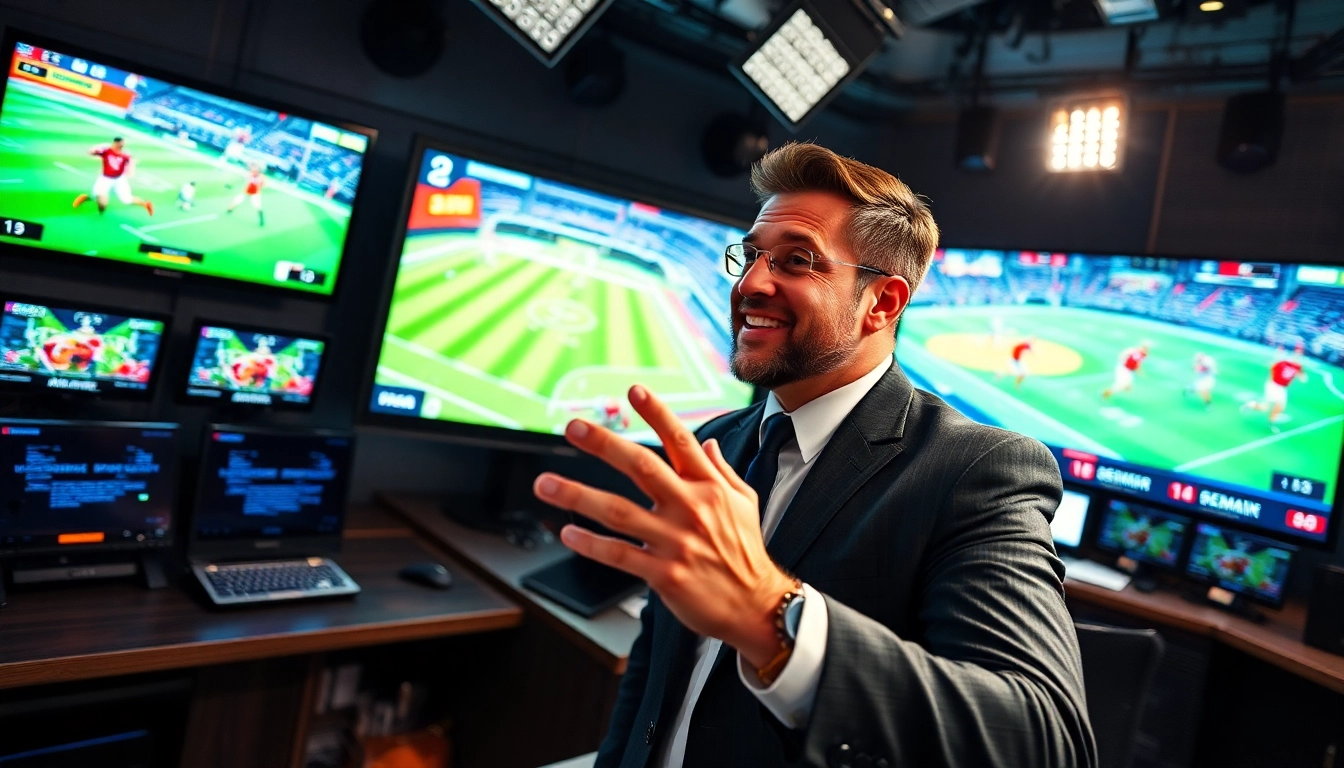
Understanding the Landscape of Sports Broadcasting
Sports Broadcasting has transformed dramatically in recent years, driven by technological advancement and changing viewer preferences. As fans become more engaged, the industry adapts to keep pace with their preferences. In this environment, understanding the nuances of this sector is crucial for anyone looking to thrive. From traditional broadcasts to streaming models, the strategies employed are vast and varied, presenting numerous opportunities for engagement and growth. For an in-depth look at the evolving practices in Sports Broadcasting, we’ll explore the key trends, audience engagement techniques, and various broadcasting methods shaping this vibrant industry.
Key Trends Shaping Sports Broadcasting
In the fast-paced world of sports broadcasting, several key trends are reshaping how fans consume content and interact with their favorite sports. These trends include:
- Rise of Streaming Services: The proliferation of over-the-top (OTT) platforms has altered how fans access sports content. Services like Netflix and Amazon Prime Video have started to offer sports-related documentaries and series, while pure sports platforms like ESPN+ focus on live broadcasts.
- On-Demand Content: With the shift towards digital, fans expect the ability to watch replays, highlights, and on-demand shows. This demand is pushing broadcasters to innovate and provide more flexible viewing options.
- Integration of Social Media: Social media platforms are increasingly integral to sports broadcasting, providing real-time updates, fan interaction, and behind-the-scenes content that enhances viewer engagement.
- Data Analytics: Leveraging data analytics allows broadcasters to better understand viewer preferences, optimize content, and create targeted marketing campaigns, thereby increasing viewer loyalty.
Importance of Audience Engagement
Engaging the audience is at the heart of successful sports broadcasting. Today’s viewers crave more than just passive viewing experiences; they desire interaction. Techniques such as live polls, interactive graphics, and real-time stats enhance the viewing experience and keep audiences invested. The importance of nurturing this engagement cannot be overstated, as it makes audiences feel like a part of the event, ultimately leading to higher viewer retention rates.
An Overview of Broadcasting Techniques
The techniques employed in sports broadcasting are diverse and cater to different audience needs. Traditional broadcasting remains robust, providing a familiar format for viewers. However, as competition from digital platforms grows, broadcasters are adopting new techniques:
- Multi-Camera Coverage: Utilizing multiple camera angles brings a dynamic perspective to live games, allowing viewers to catch every pivotal moment.
- Augmented and Virtual Reality: These technologies are beginning to infiltrate sports broadcasting, providing immersive experiences that get fans closer to the action.
- Commentary and Analytics: The integration of expert commentary and real-time analytics adds depth and context to broadcasts, making them more informative.
Building a Strong Brand in Sports Broadcasting
In an industry where competition is fierce, developing a strong brand presence is paramount. Brands that resonate with audiences foster loyalty and trust, which is crucial in retaining viewers in a fragmented market.
Creating a Unique Identity
A unique brand identity in sports broadcasting can differentiate one from competitors. This involves crafting a compelling narrative and aligning it with the audience’s passions. Colors, logos, and stories play a significant role in representation. The key is to evoke emotions and create a community around the brand, reflecting its values effectively.
Leveraging Social Media Platforms
In the digital age, social media is an essential tool for sports broadcasters. It’s a platform where brands can showcase highlights, run contests, and interact with fans in real-time. By curating engaging content that encourages sharing and discussion, broadcasters can cultivate a robust online presence that elevates their brand visibility and resonates with their target audience.
Collaborating with Influencers and Athletes
Collaboration with influencers and athletes can amplify brand reach and credibility. By partnering with recognizable figures who align with the broadcaster’s values, new audiences can be reached organically. These partnerships can take the form of sponsored content, interviews, or even co-hosted events, further bridging the gap between fans and the brand.
Technical Aspects of Sports Broadcasting
The technical backbone of sports broadcasting is vital to ensuring high-quality presentations that captivate audiences. Understanding the essential tools and techniques can significantly enhance the broadcasting process.
Essential Equipment and Tools
Quality equipment is crucial for delivering a professional broadcast. Key tools include:
- Cameras: High-definition (HD) and 4K cameras are staples in capturing every detail of the event.
- Microphones: Quality audio is essential in broadcasting. Wireless microphones ensure player and commentator sounds are captured clearly.
- Switchers: Video switchers are necessary for live editing and managing multiple camera feeds.
- Graphics Systems: For real-time updating of scores and stats, graphics systems bring additional layers of engagement to broadcasts.
Streaming vs. Traditional Broadcasting
The debate between streaming and traditional broadcasting is ongoing. Streaming offers on-demand flexibility and accessibility across various devices, attracting younger viewers. In contrast, traditional broadcasting provides wide-reaching coverage, especially for critical events. Balancing both modes can maximize audience reach and capitalize on the unique strengths of each.
Ensuring Quality Production Standards
Maintaining high production quality is non-negotiable in sports broadcasting. Production teams must prioritize clear audio, crisp visuals, and engaging graphics. Regular quality checks can help uphold standards, ensuring that viewers are consistently entertained and informed.
Enhancing Viewer Experience in Sports Broadcasting
The viewer experience is paramount in sports broadcasting. Enhancing this experience ensures that fans remain engaged and loyal over time.
Interactive Features and Polling
Incorporating interactive features such as live polls and fan chats during broadcasts engages viewers actively. These features make fans feel valued and part of the narrative, driving greater investment in the content presented.
Customizing Content for Different Audiences
Not all audiences are the same. Customizing content to fit various demographics—such as age groups, geographical locations, and interests—enhances relevance and keeps engagement high. Personalization in broadcasting can include localized commentary, targeted advertising, or tailored content delivery based on viewer preferences.
Measuring Viewer Feedback and Satisfaction
Understanding how viewers perceive broadcasts is essential for continuous improvement. Gathering feedback through surveys, social media interactions, and viewing metrics allows broadcasters to make informed decisions on content and presentation styles, ensuring they meet audience expectations effectively.
Future Trends in Sports Broadcasting
As technology advances, the future of sports broadcasting promises new innovations that could reshape the industry landscape.
The Role of Augmented Reality and Virtual Reality
Augmented reality (AR) and virtual reality (VR) are set to revolutionize how fans experience sports. AR can provide real-time statistics overlayed on live events, while VR offers immersive experiences that place fans inside the action. The continued development of these technologies will create new engagement opportunities that were previously unimaginable.
Growth of Esports Broadcasting
The meteoric rise of esports has generated a steady increase in its broadcasting sector. From tournament coverage to commentary, esports broadcasting introduces a diverse audience to traditional sports networks, broadening their reach and revenue potential.
Sustainability and Ethical Considerations
As awareness about environmental sustainability grows, broadcasters are expected to adopt practices that reduce their ecological footprint. Initiatives like carbon-neutral broadcasts, sustainable set designs, and responsible sourcing of materials can enhance the brand’s reputation while contributing positively to the community.
FAQs about Sports Broadcasting
What is Sports Broadcasting?
Sports Broadcasting is the distribution of sports content through various mediums, allowing fans to watch events, highlights, and commentary. This can occur via traditional television, radio, or online streaming platforms.
How Can I Get Started in Sports Broadcasting?
To start in Sports Broadcasting, consider obtaining a degree in communications or media, gaining experience through internships, and participating in on-campus radio or television stations to build skills and a portfolio.
What Equipment Do I Need for Quality Sports Broadcasting?
Essential equipment includes high-definition cameras, quality microphones, video switchers, and graphics systems. This ensures a professional broadcast that appeals to audiences.
How Important is Audience Engagement?
Audience engagement is critical as it fosters loyalty and enhances viewer retention. Engaged viewers are more likely to share content and promote brand loyalty.
What are the Current Trends in Sports Broadcasting?
Current trends include the rise of streaming services, on-demand content, the integration of social media, and the use of data analytics to enhance viewer experiences and engagement.
About the Author